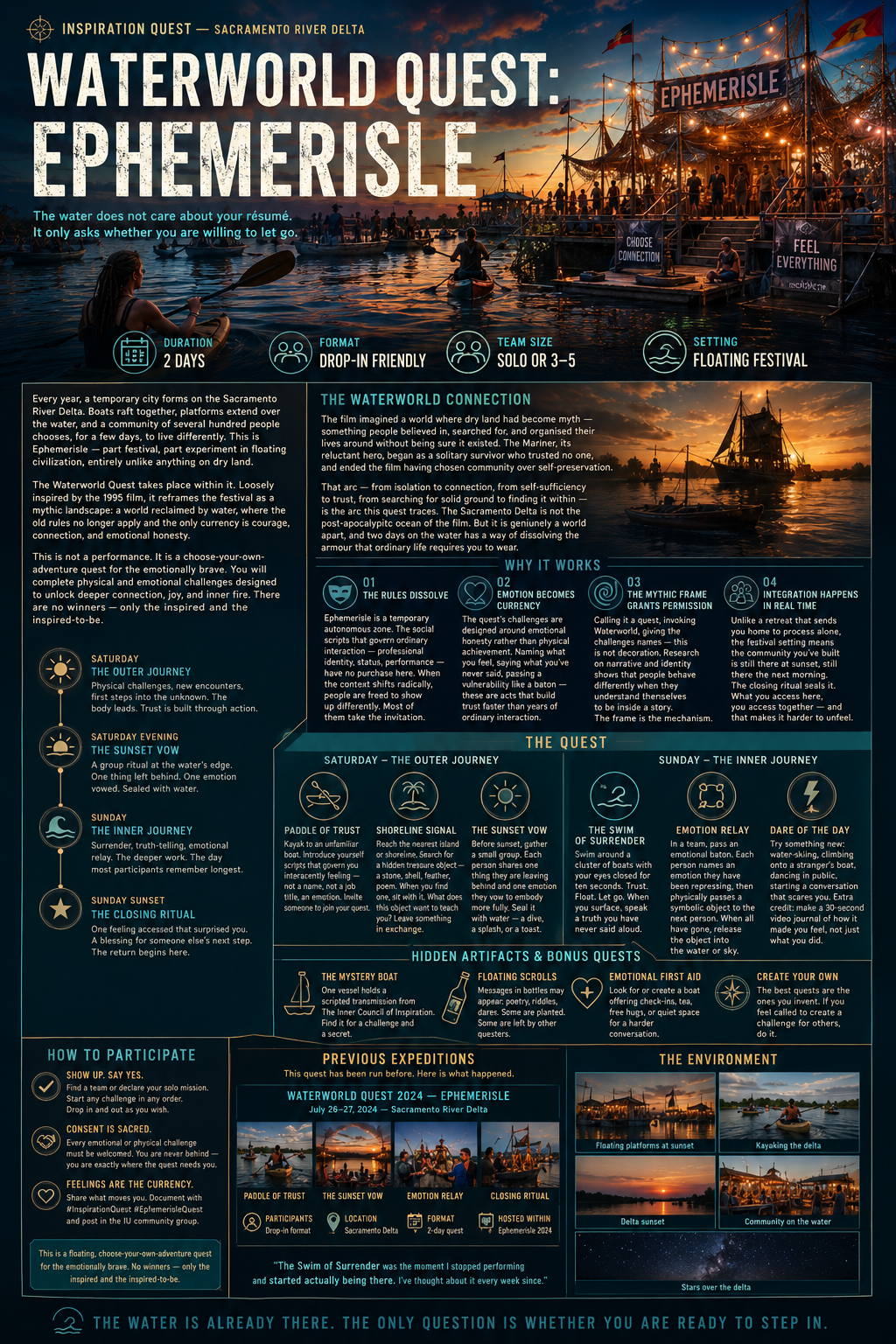
Next Waterworld Quest: July 2027
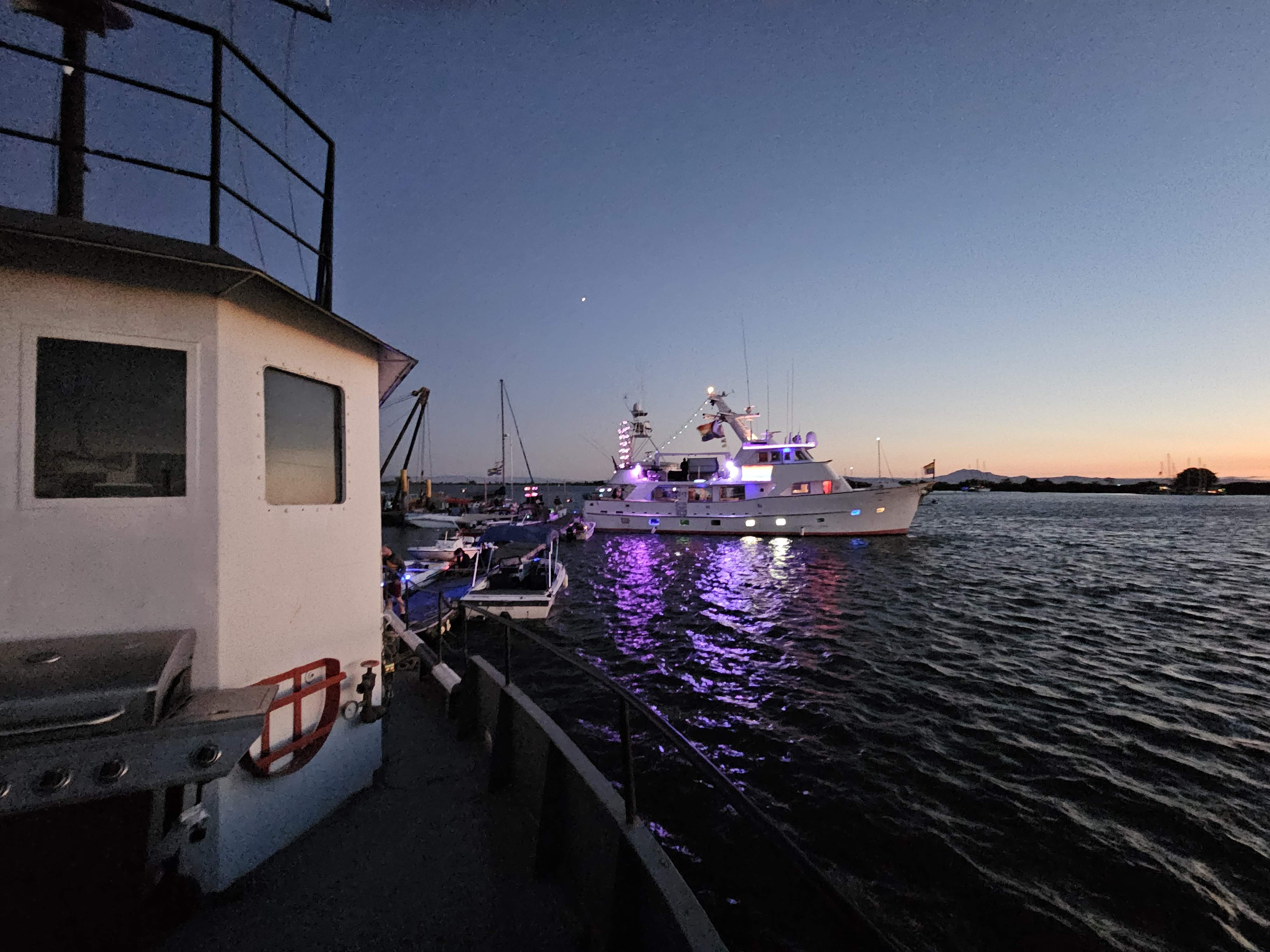
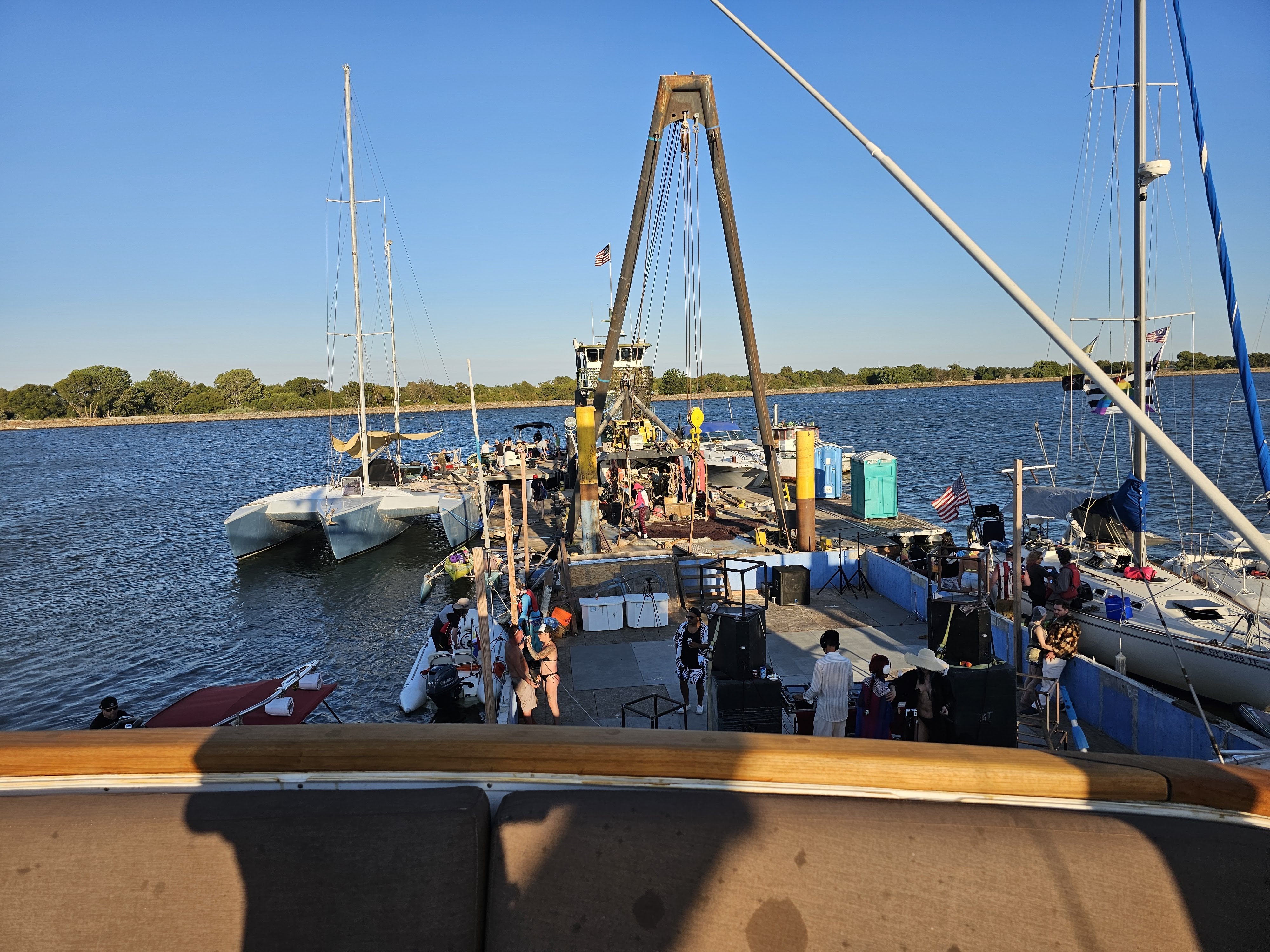
Every year, a temporary city forms on the Sacramento River Delta. Boats raft together, platforms extend over the water, and a community of several hundred people chooses, for a few days, to live differently. This is Ephemerisle — part festival, part experiment in floating civilization, entirely unlike anything on dry land.
The Waterworld Quest takes place within it. Loosely inspired by the 1995 film, it reframes the festival as a mythic landscape: a world reclaimed by water, where the old rules no longer apply and the only currency is courage, connection, and emotional honesty.
This is not a performance. It is a choose-your-own-adventure quest for the emotionally brave. You will complete physical and emotional challenges designed to unlock deeper connection, joy, and inner fire. There are no winners — only the inspired and the inspired-to-be.
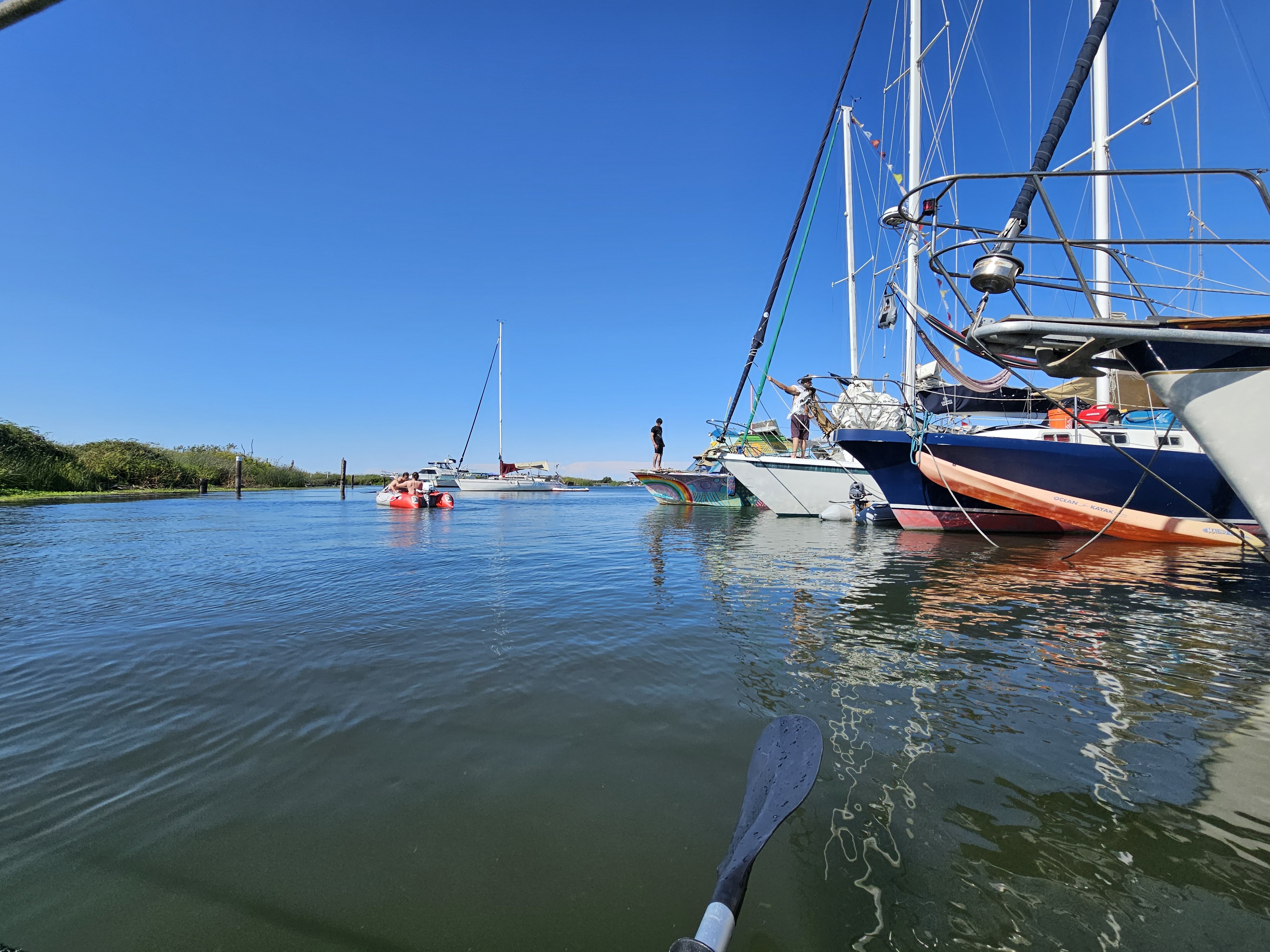
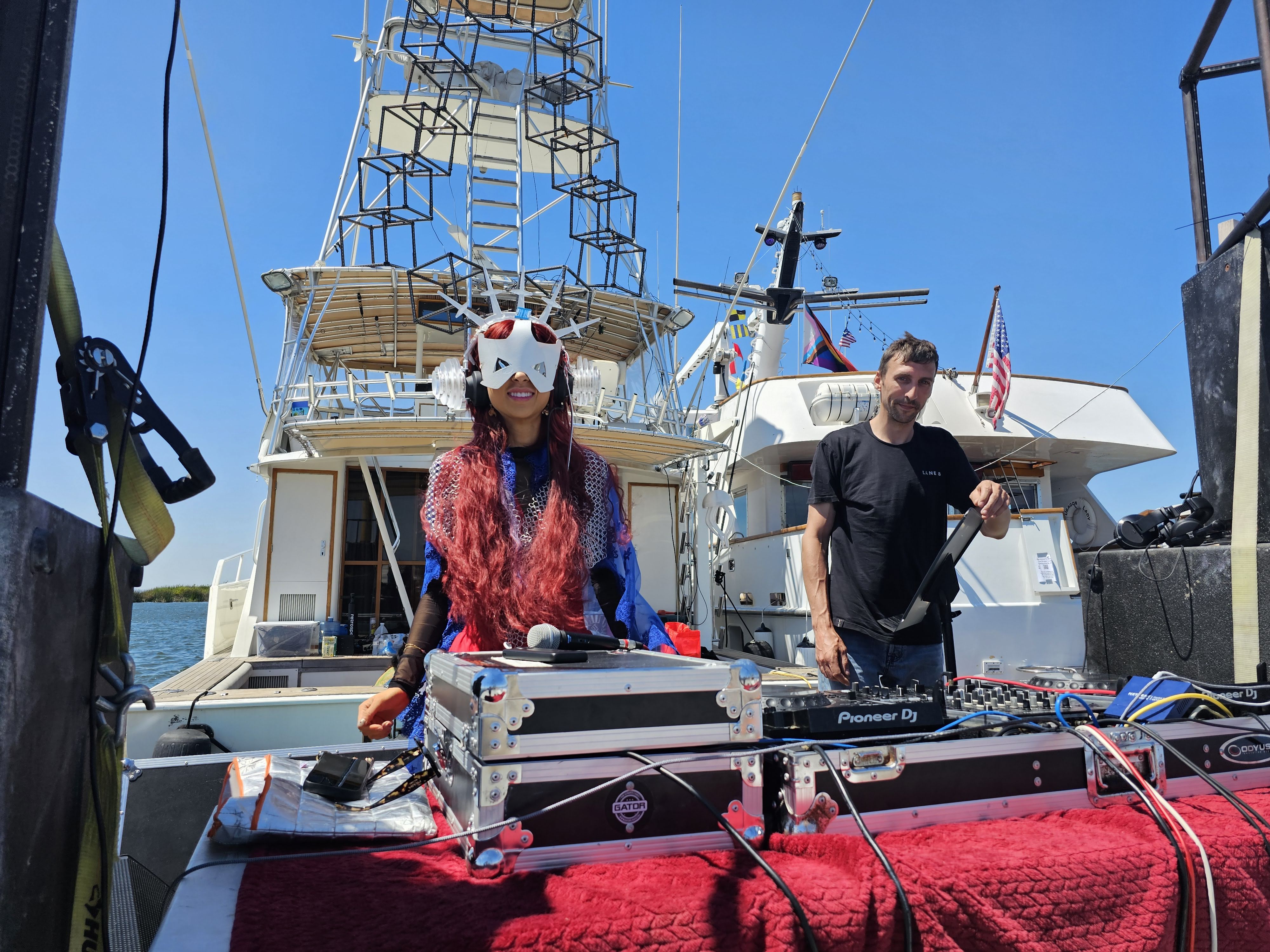
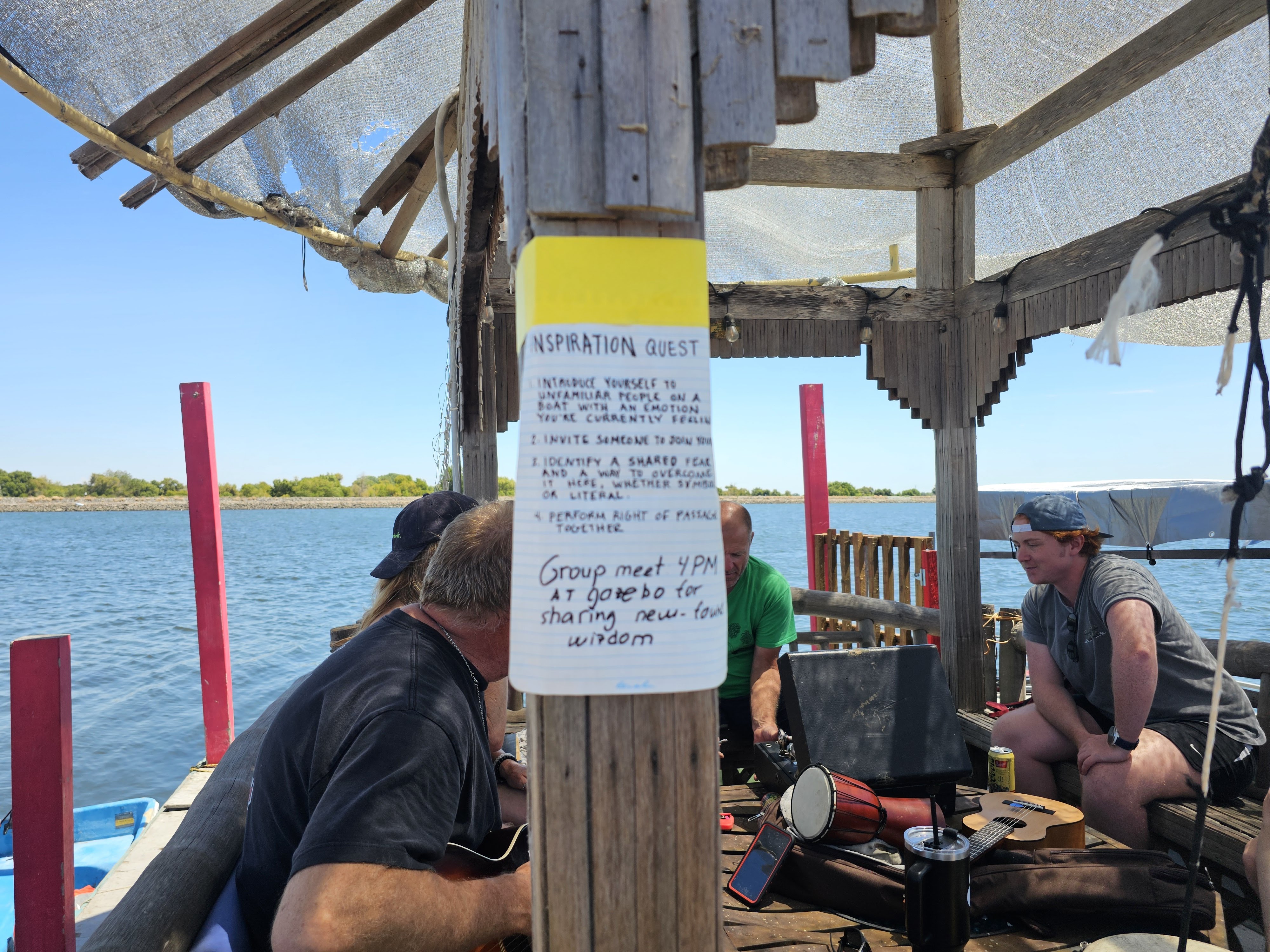
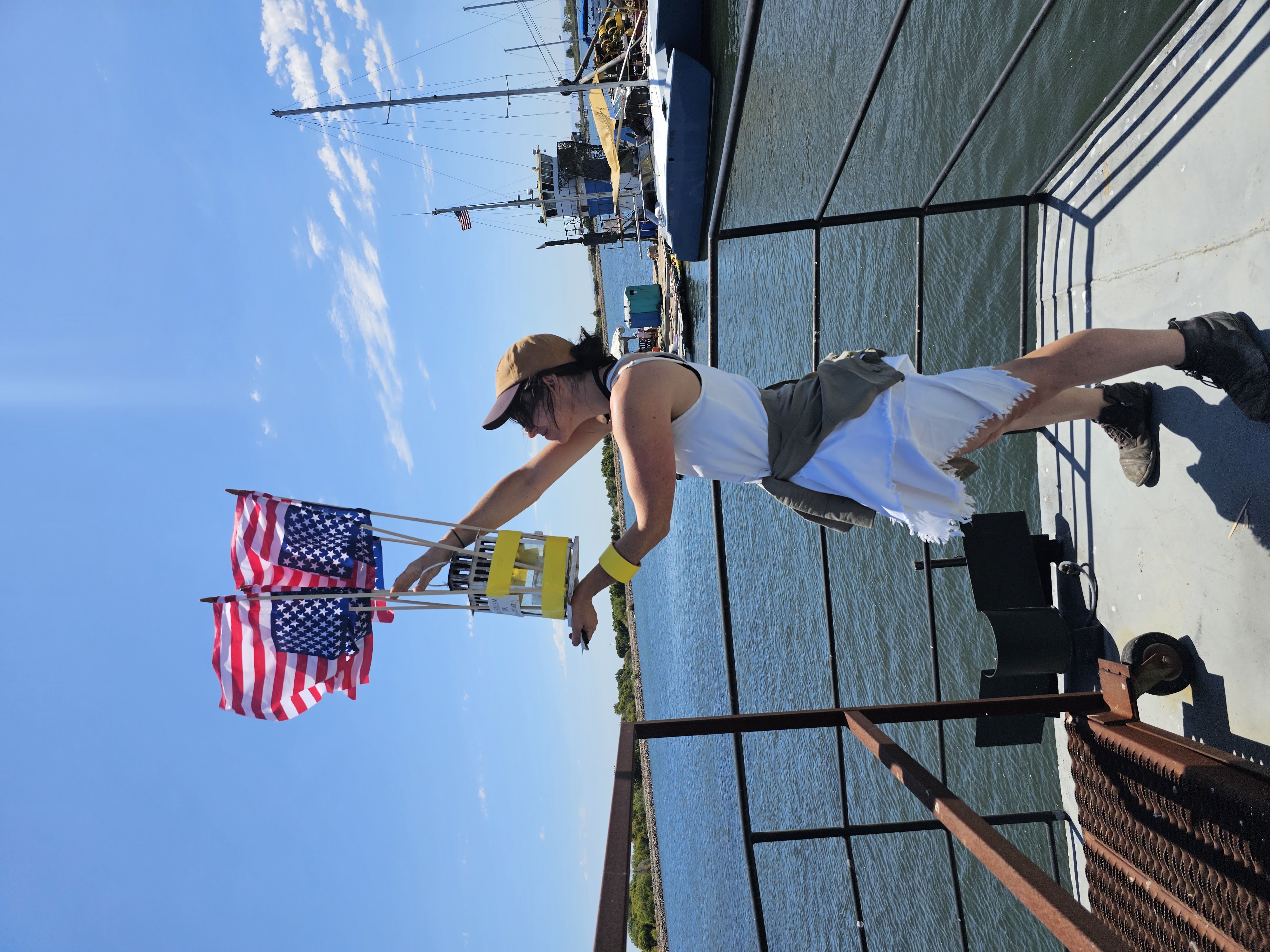
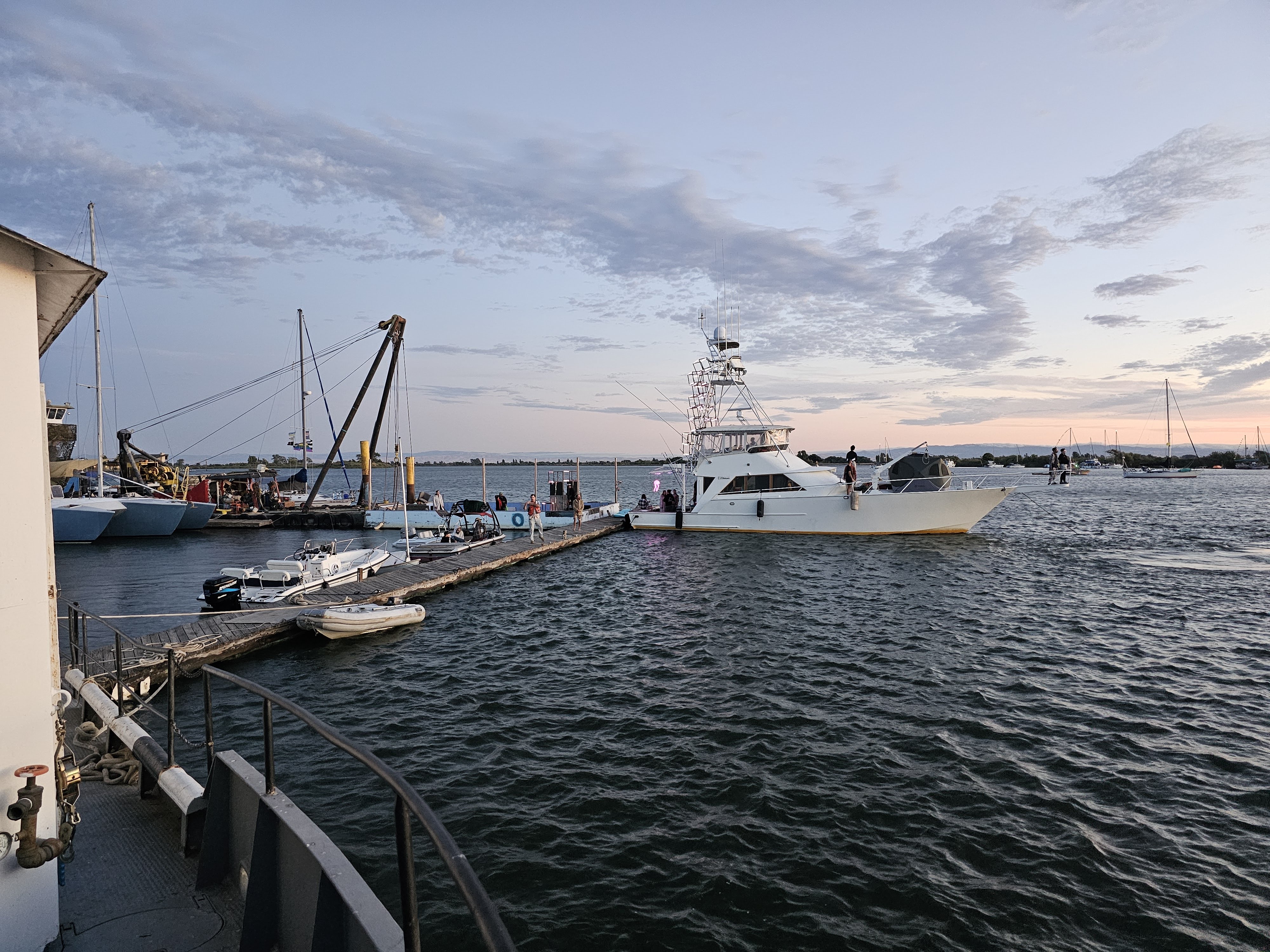
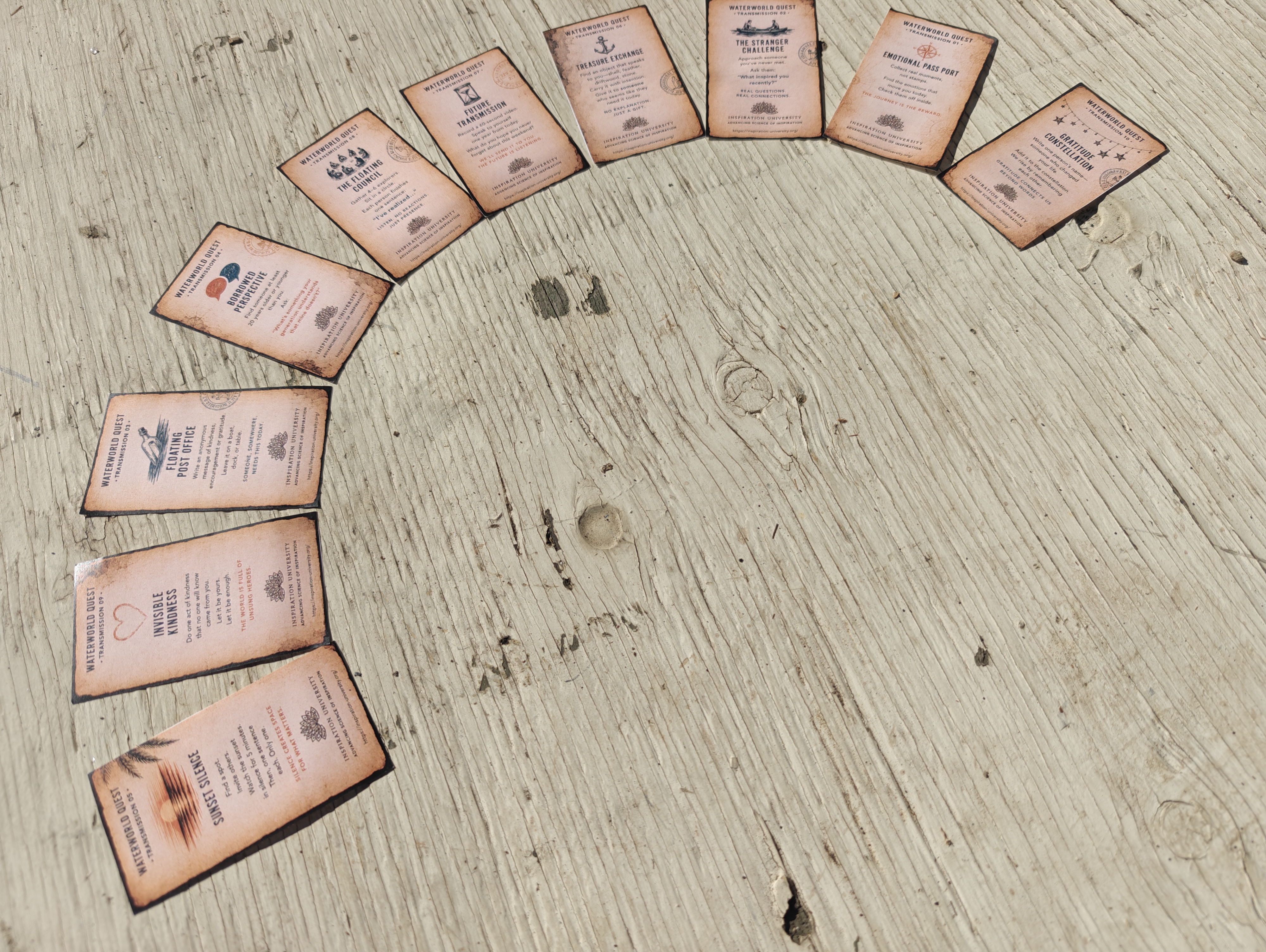
The film imagined a world where dry land had become myth — something people believed in, searched for, and organized their lives around without being sure it existed. The Mariner, its reluctant hero, began as a solitary survivor who trusted no one, and ended the film having chosen community over self-preservation.
That arc — from isolation to connection, from self-sufficiency to trust, from searching for solid ground to finding it within — is the arc this quest traces. The Sacramento Delta is not the post-apocalyptic ocean of the film. But it is genuinely a world apart, and two days on the water has a way of dissolving the armour that ordinary life requires you to wear.
Waterworld Quest works through radical permission, temporary community, and the particular alchemy of a world where the normal rules have been suspended.
Ephemerisle is a temporary autonomous zone. The social scripts that govern ordinary interaction — professional identity, status, performance — have no purchase here. When the context shifts radically, people are freed to show up differently. Most of them take the invitation.
The quest's challenges are designed around emotional honesty rather than physical achievement. Naming what you feel, saying what you've never said, passing a vulnerability like a baton — these are acts that build trust faster than years of ordinary interaction.
Calling it a quest, invoking Waterworld, giving the challenges names — this is not decoration. Research on narrative and identity shows that people behave differently when they understand themselves to be inside a story. The frame is the mechanism.
Unlike a retreat that sends you home to process alone, the festival setting means the community you've built is still there at sunset, still there the next morning. The closing ritual seals it. What you access here, you access together — and that makes it harder to unfeel.
Physical challenges, new encounters, first steps into the unknown. The body leads. Trust is built through action.
A group ritual at the water's edge. One thing left behind. One emotion vowed. Sealed with water.
Surrender, truth-telling, emotional relay. The deeper work. The day most participants remember longest.
One feeling accessed that surprised you. A blessing for someone else’s next step. The return begins here.
Kayak to an unfamiliar boat. Introduce yourself with an emotion you are currently feeling - not a name, not a job title, an emotion. Invite someone to join your quest.
Reach the nearest island or shoreline. Search for a hidden treasure object — a stone, shell, feather, poem. When you find one, sit with it. What does this object want to teach you? Leave something in exchange.
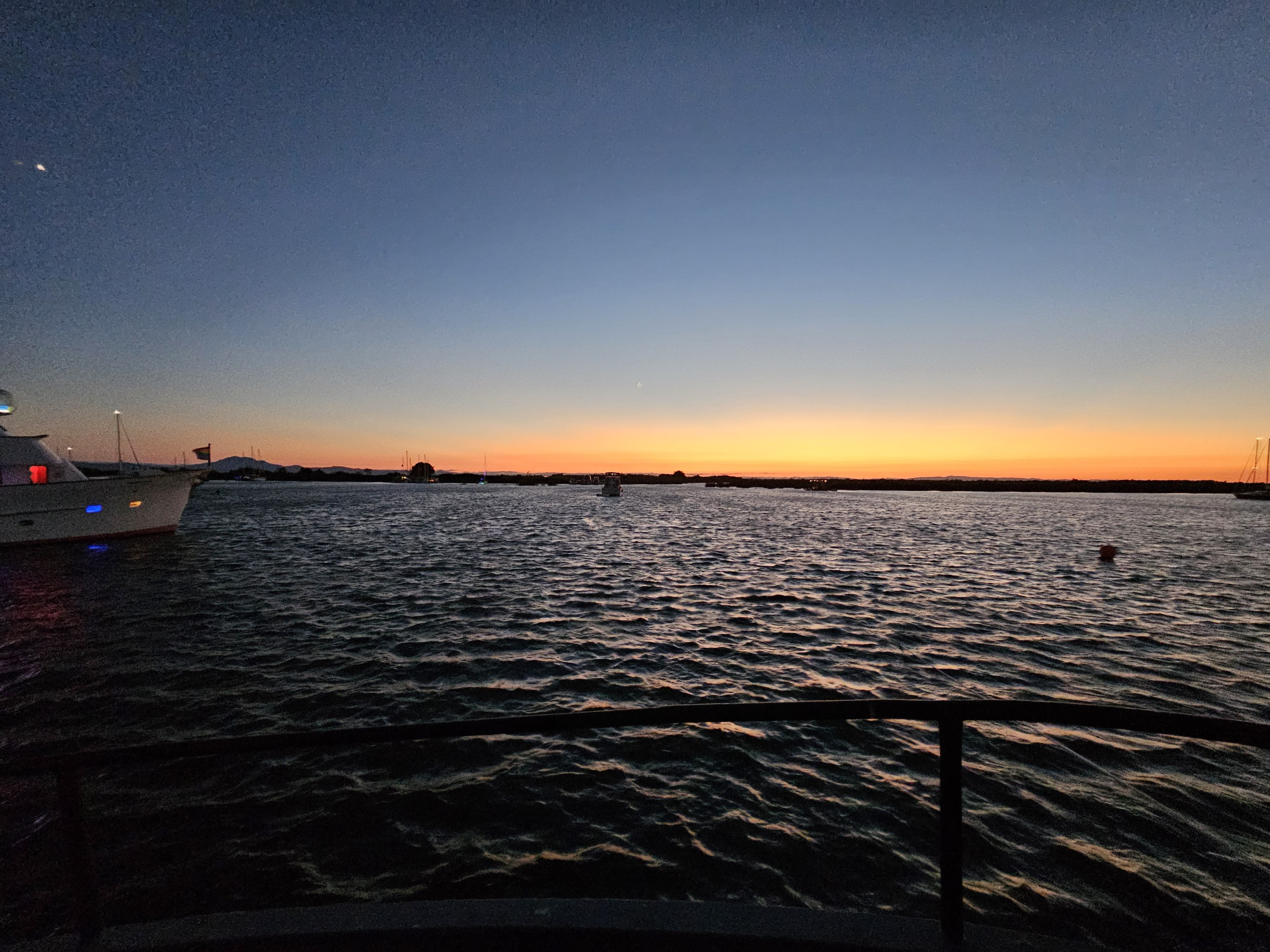
Before sunset, gather a small group. Each person shares one thing they are leaving behind and one emotion they vow to embody more fully. Seal it with water — a dive, a splash, or a toast.
Swim around a cluster of boats with your eyes closed for ten seconds. Trust. Float. Let go. When you surface, speak a truth you have never said aloud.
In a team, pass an emotional baton. Each person names an emotion they have been repressing, then physically passes a symbolic object to the next person. When all have gone, release the object into the water or sky.
Try something new: water-skiing, climbing onto a stranger’s boat, dancing in public, starting a conversation that scares you. Extra credit: make a 30-second video journal of how it made you feel, not just what you did.
